Singaraja — The Former Capital of Bali
In the 17th and 18th centuries Singaraja served as the centre of the Buleleng Kingdom. After the Dutch established control over northern Bali in the mid-19th century, Singaraja became the colonial administrative capital for Bali and the wider Lesser Sunda Islands (known historically as Soenda Ketjil or Sunda Kecil) from 1849 until approximately 1958–1960. It was the main port of entry for visitors and the seat of regional government.
After Indonesian independence it continued as the capital of the Province of Lesser Sunda and later of Bali itself until the provincial capital was transferred to Denpasar in 1958.
Roemah Soenda Ketjil — A House of History
I Gusti Bagus Oka — The Last Owner of the House
Born on January 26, 1910 into a Balinese aristocratic family from Puri Kawan. Early career included service as Regent of Rendang (Karangasem) from 1934 to 1938. He later became a member and then Secretary of the Paruman Agung (Bali’s legislative body) in the 1940s.
He represented Bali at key post-war conferences (Malino and Denpasar, 1946) that shaped the political future of the region. On 15 August 1950 he was appointed to lead the newly structured Province of Lesser Sunda. When the province was reorganised, he served as Acting Governor of Bali from 1958 to 1959.
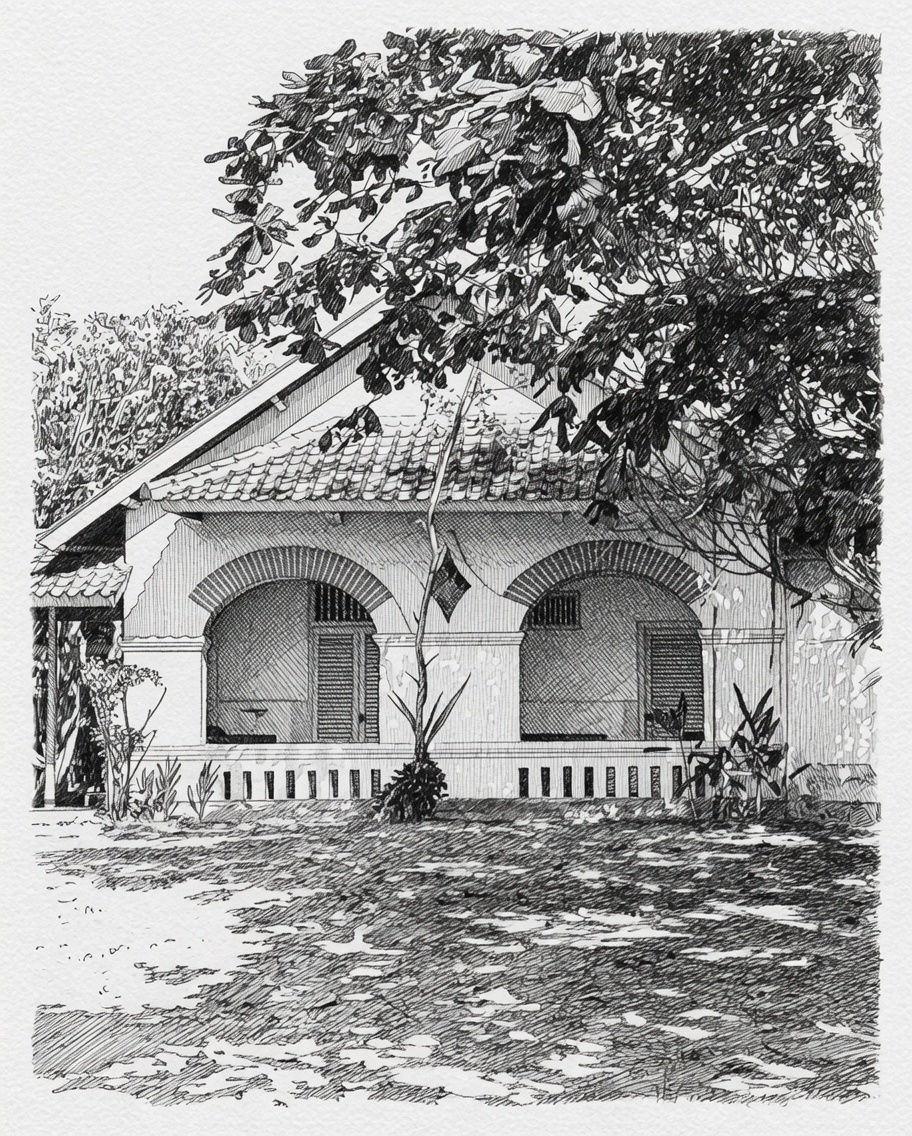
Roemah Soenda Ketjil in Singaraja was his family residence during these formative decades of public life.
Restoration of the House

A Living Heritage Place Today
With the restoration complete, Roemah Soenda Ketjil has entered a new chapter. The house now accommodates several complementary activities under one roof:
-
A restaurant offering thoughtfully prepared food in a historic setting.
-
A heritage space that shares the story of the building and its connection to Singaraja’s past.
-
Meeting and event spaces suitable for gatherings, including government and private events.
Proceeds from the commercial activities help support a non-profit foundation dedicated to the ongoing care of the heritage, social and cultural purposes.
In this way, the building remains what it has always been: a place of welcome, memory and heritage significance in the historic city of Singaraja.
After the period of public service, the house remained in the family. In recent years the current owner, Wiradharma Bagoes Oka (the youngest son of I Gusti Bagus Oka), has undertaken a careful, multi-phase restoration over the past decade.
The guiding principle has been to recover and protect the original character of the building: its interior spaces, materials, proportions, atmosphere and overall feeling as it would have been experienced in earlier times. The restoration has brought the structure back to life while honouring both its architectural heritage and its place in the family’s and Singaraja’s story.
The name “Roemah Soenda Ketjil” (old Dutch-influenced spelling of Rumah Sunda Kecil) evokes the era when Singaraja administered the Lesser Sunda Islands. The house is a heritage building dating from the 1800s and stands as one of the remaining residential landmarks from Singaraja’s time as a seat of power.
For decades it was the private residence of I Gusti Bagus Oka (also spelled I Gusti Bagoes Oka), a prominent Balinese aristocrat and public servant whose career was closely tied to the region’s transition from colonial administration to independent Indonesian governance.


